Source Interchangeable Plug Led Driver for Home, Office, Retail
Compare 30 interchangeable plug led driver options from verified Chinese manufacturers. Buyers can evaluate specifications like output voltage, current, and certifications to find suitable solutions for various lighting projects; compare the available evidence and request quotations based on your requirements.
Key considerations
Products List


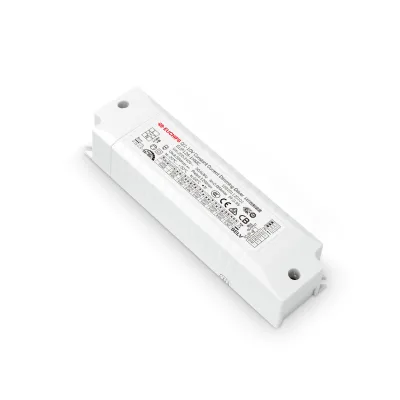


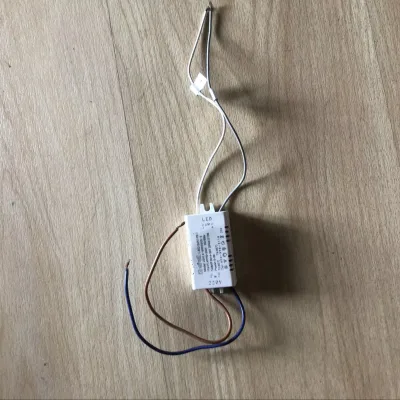

Comprehensive Sourcing Guide
Interchangeable Plug Led Driver Sourcing Guide
Procuring interchangeable plug LED drivers requires a nuanced understanding of both electrical compatibility and physical form factors. These devices serve as critical interfaces between mains power and low-voltage LED loads, offering flexibility for retrofitting and modular lighting systems. Buyers must prioritize drivers that support universal input voltages to ensure global deployability, particularly when sourcing from regions with varying grid standards. The ability to swap or interchange drivers without rewiring the entire fixture reduces maintenance costs and simplifies inventory management for large-scale projects.
The market offers a wide spectrum of options, ranging from basic constant current units to advanced dimmable solutions. Key differentiators include output configuration, dimming protocols, and physical dimensions. Buyers should evaluate whether the driver supports multiple output channels or single-channel setups based on their specific lighting architecture. Additionally, the presence of DIP switches for setting output parameters adds a layer of customization that can streamline production lines. Understanding these technical variables is essential for selecting a driver that aligns with both performance requirements and supply chain efficiency.
Product Scope and Observed Listing Signals
Current market listings reveal a diverse array of interchangeable plug LED drivers with varying specifications. Observed price points range significantly, reflecting differences in power ratings, certification levels, and brand positioning. Minimum order quantities (MOQs) also vary widely, allowing both small-scale prototyping and bulk industrial procurement. Buyers should note that some listings highlight specific features such as flicker-free operation and eco-friendly materials, which are increasingly important for modern lighting applications. These signals help narrow down suppliers who prioritize quality and regulatory compliance over mere cost reduction.
Product attributes often include detailed electrical specifications such as input voltage ranges and output current settings. For instance, some drivers support input voltages from 100 to 240V AC, ensuring compatibility with various global power grids. Output parameters may be adjustable via DIP switches, allowing for precise tuning of current and voltage levels. Physical dimensions and packaging details are also critical, as they impact storage and installation logistics. Buyers must carefully cross-reference these observed signals with their technical requirements to avoid mismatches in performance or physical fit.
Technical Specifications to Verify
Verifying technical specifications is paramount to ensuring the driver meets the intended application’s demands. Input voltage range is a primary consideration, with many drivers supporting 220-240V AC or broader ranges like 100-240V AC. Output voltage and current must align with the LED load’s requirements, often adjustable via DIP switches for flexibility. Buyers should confirm whether the driver offers constant current or constant voltage output, as this dictates compatibility with different LED types. Additionally, dimming capabilities, such as 0-10V or 1-10V support, are crucial for applications requiring light control.
Physical and environmental specifications also play a significant role in driver selection. Dimensions, weight, and material composition affect installation ease and durability. For example, fireproof plastic housings enhance safety, while compact designs facilitate integration into tight spaces. IP ratings indicate protection against dust and water, with IP20 being common for indoor use. Buyers should also assess static power consumption and ripple noise levels, as these impact energy efficiency and light quality. Ensuring these technical parameters are verified prevents operational failures and ensures long-term reliability.
Compliance and Safety Documentation
Compliance with international safety standards is non-negotiable for LED drivers, given their direct connection to mains power. Certifications such as CE, CB, RCM, CCC, ISO, RoHS, and TUV provide assurance that the product meets rigorous safety and environmental requirements. Buyers must verify that suppliers provide valid certificates for each batch, as counterfeit or expired documentation poses significant legal and safety risks. These certifications also facilitate market access in various regions, ensuring that the drivers can be legally sold and installed.
Beyond certifications, buyers should request detailed test reports and compliance statements from suppliers. These documents should cover electrical safety, electromagnetic compatibility, and environmental impact. Understanding the specific standards applied, such as IEC/EN/UL 61347-1, helps buyers assess the driver’s suitability for their target markets. Additionally, warranty terms and after-sales support policies should be clearly defined in the procurement contract. Robust compliance documentation not only mitigates risk but also enhances the brand’s credibility in competitive markets.
Cost Drivers and Commercial Terms
Several factors influence the total cost of ownership for interchangeable plug LED drivers. Material quality, certification levels, and production complexity are primary cost drivers. Drivers with advanced features like dimming capabilities or multiple output channels typically command higher prices. Buyers should also consider the impact of MOQs on unit costs, as larger orders often yield better pricing. However, excessive inventory can tie up capital and increase storage costs, so balancing order size with demand forecasts is essential.
Commercial terms such as payment methods, shipping costs, and lead times also affect overall expenses. Buyers should negotiate favorable terms that align with their cash flow and project timelines. Clear definitions of responsibilities for customs clearance and import duties are crucial to avoid unexpected costs. Additionally, understanding the supplier’s return and replacement policies can mitigate financial risks associated with defective products. Transparent commercial terms ensure that the procurement process is smooth and cost-effective, supporting long-term business relationships.
Supplier Qualification and Quality Control
Selecting a qualified supplier is critical to ensuring consistent product quality and reliable supply. Buyers should conduct thorough due diligence, including verifying the supplier’s manufacturing capabilities, quality management systems, and past performance. Requesting samples for testing is a vital step to assess product quality before committing to large orders. Suppliers with established quality control processes, such as incoming material inspection and final product testing, are more likely to deliver consistent results.
Ongoing quality control measures should be integrated into the procurement process. Regular audits and performance reviews help identify potential issues early, allowing for corrective actions. Buyers should also establish clear communication channels with suppliers to address any quality concerns promptly. Collaborative relationships with suppliers can lead to continuous improvement and innovation, benefiting both parties. By prioritizing supplier qualification and quality control, buyers can minimize risks and ensure the reliability of their LED driver supply chain.
Long-Term Procurement Checks
Long-term procurement success depends on continuous monitoring and adaptation to market changes. Buyers should regularly review supplier performance metrics, including delivery times, product quality, and responsiveness. Establishing key performance indicators (KPIs) helps track these metrics objectively and identify areas for improvement. Regular feedback loops with suppliers foster collaboration and drive mutual growth. Additionally, staying informed about industry trends and technological advancements ensures that the procurement strategy remains relevant and competitive.
Risk management is another critical aspect of long-term procurement. Diversifying the supplier base reduces dependency on single sources and mitigates supply chain disruptions. Buyers should also monitor regulatory changes and update compliance requirements accordingly. Regularly reviewing contract terms and negotiating improvements can enhance value and flexibility. By implementing robust long-term procurement checks, buyers can build a resilient and efficient supply chain that supports sustainable business growth.
FAQs
What is the input voltage range for this driver?
The input voltage range is 220-240V AC or 100-240V AC depending on the specific model configuration. This ensures compatibility with standard mains power supplies in various regions while maintaining stable operation for connected LED loads.
Can the output current be adjusted for different loads?
Yes, the output current can be set by a DIP switch to match specific requirements. The adjustable range spans from 120 to 350mA or 0.5A to 4.0A, allowing flexible configuration for diverse LED lighting applications without hardware changes.
Which certifications does the product hold for safety compliance?
The product holds multiple safety certifications including CE, CB, RCM, CCC, ISO, RoHS, and TUV. These certifications verify that the driver meets international safety and environmental standards for electrical equipment used in commercial and residential lighting systems.
How is the product packaged for air transport safety?
The product is packaged using a PE bag with a divider and an outer carton for air transport. This robust packaging method protects the driver from physical damage during shipping while ensuring it remains secure in standard logistics environments.
What is the warranty period for this LED driver?
The warranty period for this LED driver is three years from the date of purchase. This coverage ensures reliability and provides peace of mind for buyers investing in long-term lighting solutions that require consistent performance over time.
Is customization available for specific project requirements?
Customization is available for specific project requirements to meet unique design needs. Buyers can request tailored solutions that align with their specific application constraints while maintaining the core functionality and safety standards of the standard product line.